Drug Overdose Awareness: Signs, Risks, and Prevention
Understanding Drug Overdose Awareness
Raising awareness about drug overdose is crucial for saving lives and preventing tragedy. For instance, nearly 72,000 Americans lost their lives to drug overdoses in 2019, a 5% increase from 2018. It’s important to remember that overdose can happen to anyone, not just celebrities or those in the headlines. Whether drugs are used by prescription or recreationally, overdose remains a serious public health issue and a risk that affects everyone.
If someone you care about is using drugs, you may worry about their risk of overdosing and wonder how you can help. Knowing how to react in a medical emergency is essential, as this knowledge may save a life.
Keep reading to learn more about drug overdose awareness, how overdoses happen, and other important facts you should know.
What Is a Drug Overdose?
A drug overdose occurs when a toxic amount of a substance overwhelms the body, making it unable to process the drug safely. The symptoms of an overdose can vary widely depending on the type of drug involved.
Overdoses may be accidental or intentional. In some cases, an individual may intentionally take a fatal amount of drugs in a suicide attempt. More often, overdoses happen accidentally when someone takes too much of a substance, sometimes without realizing the danger.
Recognizing the symptoms of a drug overdose can be challenging. Many people may not realize they are experiencing an overdose as it happens, especially if they are under the influence and unable to seek help themselves. This is why drug overdose awareness is so important, a drug overdose is a medical emergency that requires immediate attention and treatment.
Common Drugs Involved in Overdoses
According to a 2017 National Survey on Drug Use and Health, more than 34 million people in the USA regularly abuse drugs. Drug overdose awareness includes knowing which drugs are most likely to cause an overdose.
Depressants
Depressants affect the central nervous system and include benzodiazepines, alcohol, and opioids. While moderate amounts can cause calm and euphoria, high doses can be dangerous. Too much can lead to respiratory failure, coma, or death.
Opioids
Opioids are responsible for 70% of the 0.5 million yearly worldwide drug-related deaths, with more than 30% caused by overdose. These drugs interact with brain receptors and can slow or stop breathing, leading to oxygen starvation and potentially death.
Alcohol
Alcohol is also a depressant. An alcohol overdose, or alcohol poisoning, occurs when you drink more than your body can process. Symptoms include vomiting, mental confusion, seizures, slow breathing, hypothermia, and pale or bluish skin.
Stimulants
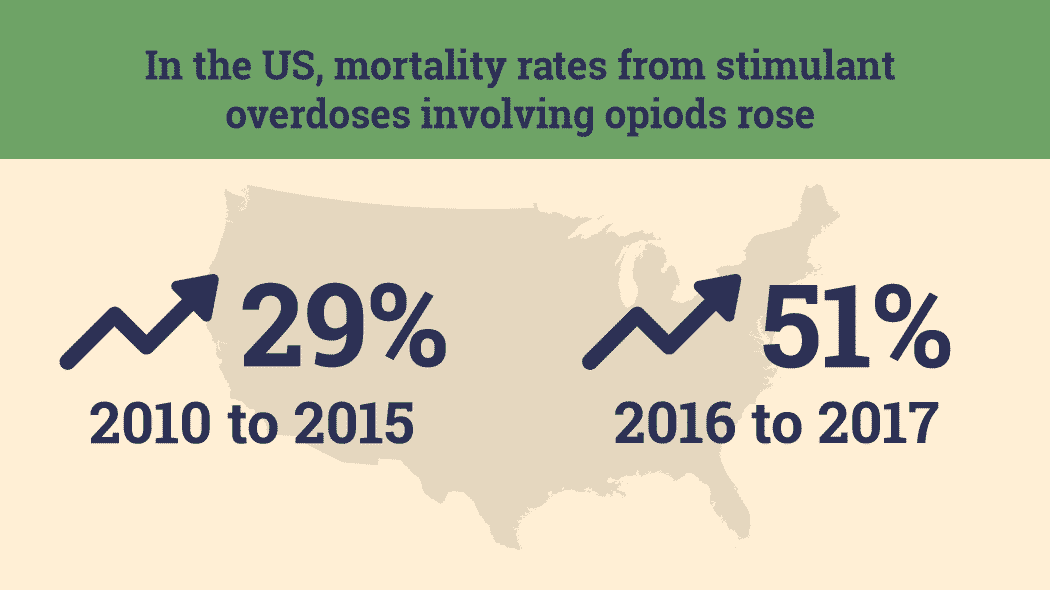
Stimulant overdoses have been rising in the USA. Drugs like ecstasy, speed, or cocaine can raise heart rate and blood pressure, causing a heart attack, seizure, or stroke. Symptoms may include teeth grinding, tremors, insomnia, chest pain, and paranoia.
Risk Factors for Drug Overdose
Drug overdose awareness includes understanding risk factors. Anyone can overdose, but certain conditions increase the risk:
Combining drugs with other medicines or alcohol
Using drugs alone
Mixing different types of drugs
Recent release from prison
Dropping out of treatment programs
Medical conditions like reduced kidney or liver function
Age over 65
Using illegal drugs of unknown strength
History of drug misuse or addiction
Mental health disorders
Poor nutrition or dehydration
Sleep deprivation
Long-term opioid use for chronic pain
Inhaling or injecting drugs
Social isolation
Other health problems, such as heart disease or respiratory conditions, can also increase overdose risk. The longer someone uses a drug, the more likely they are to overdose, especially if they have overdosed before.
Signs of a Drug Overdose
Drug overdose awareness means recognizing the signs. If someone is overdosing, seek medical care immediately. Look for the following warning signs:
Pale, clammy skin
Limp body
Abnormal breathing
Unconsciousness or inability to awaken
Vomiting or gurgling noises
Blue or purple fingernails and lips
Hot, red, or flushed skin (stimulant overdose)
Slow or stopped breathing and heartbeat
Drastic changes in body temperature
Confusion or paranoia
Chest pain or difficulty breathing
Difficulty walking
Aggression or violence
Hallucinations or delusions
The sooner someone receives medical help, the better their chances of recovery.
Are All Overdoses Fatal?
Not every drug overdose is fatal. Immediate intervention can save lives. For example, naloxone (Narcan) can reverse an opioid overdose if given quickly. Survival rates also depend on the quality of medical care and location.
Treatment for Drug Overdose
The treatment for a drug overdose depends on the situation and substance involved. Medical professionals may:
Clear the airway or insert a breathing tube
Give activated charcoal to absorb the drug
Induce vomiting or pump the stomach
Administer intravenous fluids
Use antidote drugs like naloxone for opioid overdoses
Long-Term Effects of a Drug Overdose
Even after recovery, a drug overdose can cause lasting effects. Toxic brain injury, memory loss, loss of senses, nerve damage, and paralysis are possible. The risk of long-term damage increases with each overdose.
Preventing Drug Overdose
Drug overdose awareness emphasizes prevention. Reducing exposure, preventing misuse, and treating substance use disorder are key. In addition, safe prescribing practices and quitting drugs are the best ways to prevent overdose. Addiction treatment programs can help people manage drug use and withdraw safely.
What to Do If Someone Is Experiencing a Drug Overdose
If you suspect an overdose, call 911 immediately. Good Samaritan Laws protect those who seek help. It is wise to keep Narcan at home if someone is at risk for opioid overdose. While waiting for help, keep the person calm and safe. Encourage hydration if they are conscious and clear the area if they are having seizures.
Resources
- 1. Ellis, M. E. (2020, February 25). Drug Overdose: Definition, Treatment, Prevention, and More. Retrieved from https://www.healthline.com/health/drug-overdose#prevention
- 2. What Is an Overdose? (2020, September 01). Retrieved from
- 3. 2017 NSDUH Annual National Report: CBHSQ Data. (n.d.). Retrieved from
- 4. Overdose: What Is It and How Does It Happen? (2020, September 18). Retrieved from
- 5. Opioid overdose. (n.d.). Retrieved from
- 6. Opioid Overdose. (2020, August 20). Retrieved from
- 7. Stimulant overdoses rising in the U.S. (2020, February 21). Retrieved from
- 8. What is Overamping? (2020, August 31). Retrieved from
- 9. Responding to Stimulant Overamping. (2020, September 01). Retrieved from
- 10. Katz, J., Goodnough, A., & Sanger-katz, M. (2020, July 15). In Shadow of Pandemic, U.S. Drug Overdose Deaths Resurge to Record. Retrieved from
- 11. Overdose Risks & Prevention. (2020, September 01). Retrieved from
- 12. Overdose Risks & Prevention. (2020, September 01). Retrieved from
- 13. Harlow, K. (2020, January 30). Long Term Effects of Overdoses on the Brain. Retrieved from
- 14. Opioid Overdose Emergency: NARCAN® (naloxone) Nasal Spray. (n.d.). Retrieved from
- 15. Drug Overdose Mortality by State. (2020, April 29). Retrieved from
- 16. Larochelle, M. R., Clinical Addiction Research and Education Unit at Boston University School of Medicine and Boston Medical Center, Bernson, D., Projects, O. O., Land, T., Stopka, T. J., . . . Volkow, N. D. (n.d.). Medication for Opioid Use Disorder After Nonfatal Opioid Overdose and Association With Mortality. Retrieved from
- 17. Ellis, M. E. (2020, February 25). Drug Overdose: Definition, Treatment, Prevention, and More. Retrieved from
- 18. Harlow, K. (2020, January 30). Long Term Effects of Overdoses on the Brain. Retrieved from
- 19. Improve Opioid Prescribing. (2019, October 30). Retrieved from
- 20. Secretary, H. O., & General, O. O. (2019, February 12). Opioid Overdose Prevention. Retrieved from
- 21. Ellis, M. E. (2020, February 25). Drug Overdose: Definition, Treatment, Prevention, and More. Retrieved from