Alcoholism & Domestic Abuse
It’s a story many will unfortunately recognize. Sad and angry country songs and countless films have told it. First, anger, resentment, and verbal abuse set the simmering tone for an unhealthy relationship. Then, alcohol is poured on the flames, causing tempers to flare and self-control to disappear. Drunk partners lash out at their family members, causing severe emotional and physical harm.
Although alcoholism does not directly cause domestic abuse, intoxication can fuel violence. Someone who might otherwise control their violent urges may be more likely to lash out when intoxicated.
On this page, we’ll explore the connection between alcoholism and domestic abuse. You’ll find information on how alcohol can make violence worse in abusive relationships and what you can do to find help.
What is Domestic Abuse?
When most people hear “domestic abuse,” they likely imagine someone hitting their partner. However, domestic abuse, also called intimate partner violence, is more complicated. In addition to physical violence, it includes behaviors that control, manipulate, or emotionally harm the victim. This can mean threats, intimidation, financial control, or isolating the victim from friends and family. Often, these psychological manipulations occur alongside physical violence.
Key facts about domestic abuse:
It doesn’t discriminate. It can happen in any relationship, regardless of sexual orientation, religion, gender, race, or age.
Men can be victims too, though they may feel unsure about asking for help because they are worried about seeming “weak” for being abused by their partner.
Many abusive partners seem fine at first. Their controlling behaviors may emerge and intensify over time.
Domestic violence looks different in every relationship. Even if abuse is “only” verbal or emotional, it is still serious.
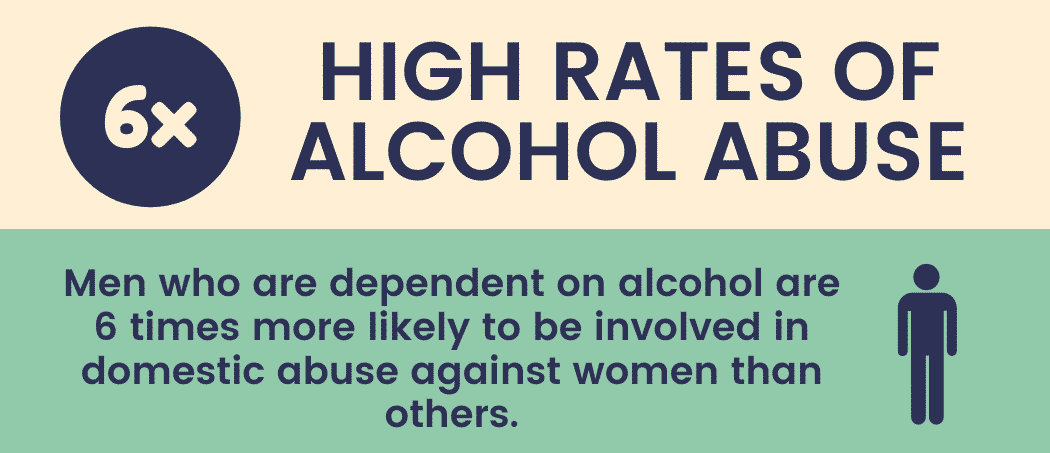
This study done by the University of Oxford tracked 140,000 men with drinking or drug problems. They found that 1.7% of men dependent on alcohol were arrested for attacking, threatening, or sexually assaulting their partners, six times higher than the national average.
Alcohol-Related Crimes Beyond Domestic Abuse
Alcoholism can lead to many crimes that cause pain for families. An estimated 55% of people who commit domestic abuse were drinking at the time.
Child Abuse
Parental alcoholism can have a major impact on children. Kids of parents with alcoholism face greater risk for abuse and neglect. These four types of child abuse, physical, sexual, emotional, and neglect, can happen together and have serious psychological effects. Children who were abused are more likely to use drugs and alcohol later in life as a way to cope, continuing the cycle.
Sexual Assault
Research shows about half of sexual assaults on college campuses involve alcohol use by the perpetrator, the victim, or both. Alcohol lowers inhibitions and increases aggression, which can raise the risk of sexual assault. While drinking does not cause someone to commit assault, it can make violent behavior more likely.
DUI
People with drinking problems are at higher risk of driving under the influence. Binge drinkers or those with alcoholism are most at risk. Alcohol lowers reaction time, coordination, and judgment, making driving dangerous no matter how much someone tries to justify it.
How Alcohol Contributes to Domestic Abuse
Alcohol does not cause domestic abuse, but it can be a compounding factor. It disrupts normal brain function and weakens self-control, sometimes leading people to act more aggressively. When under the influence, people may misinterpret situations and feel provoked, leading to anger and violence.
While sobriety can reduce violent outbursts, it does not solve the main issue. Domestic abuse must be addressed alongside alcoholism, often with therapy to address underlying emotional issues.
Alcohol Addiction in Victims of Domestic Violence
Domestic abuse can make victims more likely to develop post-traumatic stress disorder, which alcoholism can make worse. Alcohol may seem to relieve stress, but regular excessive drinking can cause chemical imbalances in the brain, leading to addiction. This creates a downward cycle, making recovery even harder.
Denial, Rationalization, and Victim Blaming
It is difficult for abusive individuals to admit they have a problem. They may deny, cover up, or rationalize their behavior, sometimes even blaming the victim. Family members may also make excuses, hoping things will improve. This victim blaming is psychologically damaging, causing survivors to internalize blame and fear speaking out.
Finding Help for Domestic Abuse and Alcohol Addiction
If you are a victim of domestic abuse, remember the abuse is not your fault. You deserve safety and respect. Try to gather evidence, contact support centers, and make a plan to leave if needed. If your partner struggles with alcoholism, you can encourage them to seek help, but your safety comes first. Treatment centers offer programs for both addiction and domestic violence, and support is available.
Resources
- The term comes from the 1938 stage play Gas Light, written by Patrick Hamilton. In the play, a husband convinces his wife that she is insane by slowly dimming the gas lights in their home, while pretending nothing has changed.